

Hey there! As a supplier of Indoor Dry Saunas, I've had my fair share of customers asking about various aspects of these amazing relaxation spots. One question that pops up quite a bit is how to improve the acoustics in an indoor dry sauna. Today, I'm gonna share some tips and tricks that I've picked up over the years to help you elevate your sauna's acoustic experience.
First off, let's understand why good acoustics matter in a sauna. A sauna is supposed to be a place of peace and relaxation. When the acoustics are off, it can be really distracting. You might hear echoes, strange rattling noises, or just an overall dull sound. Whether you're listening to some calming music, having a quiet chat with a friend, or just enjoying the gentle hum of the sauna heater, good acoustics can make the whole experience a lot more enjoyable.
1. Choose the Right Building Materials
The materials you use to build or line your sauna play a huge role in its acoustics. Wood is a popular choice for saunas, and for good reason. It's not only aesthetically pleasing but also has natural acoustic properties. Softwoods like cedar and pine are great because they can absorb some sound, reducing echoes. These woods have a bit of give in them, which helps to dampen sound waves.
When you're building your sauna, consider using thick wooden panels. Thin panels tend to vibrate more easily, which can create unwanted noises. Also, make sure the joints between the panels are tight. Loose joints can cause rattling as the wood expands and contracts with the heat.
2. Install Acoustic Panels
Acoustic panels are a game-changer when it comes to improving sauna acoustics. They're designed to absorb sound waves and reduce echoes. You can find acoustic panels made specifically for high-temperature environments, which are perfect for saunas.
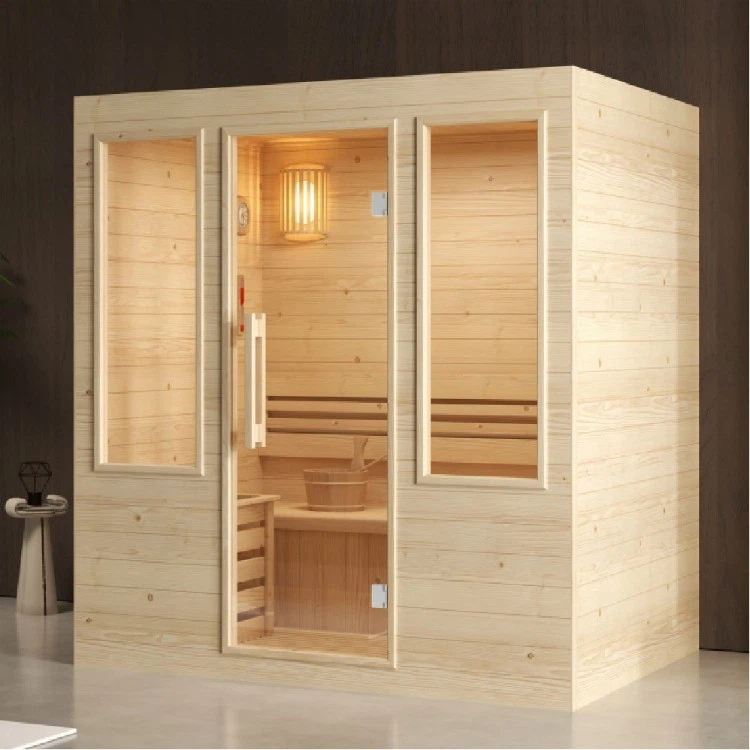
These panels can be installed on the walls and ceiling of your sauna. Just make sure you follow the manufacturer's instructions for installation. They come in different sizes and colors, so you can choose ones that match your sauna's decor. Visit our Indoor Sauna Steam Room page to see some examples of saunas with great acoustic features.

3. Use Carpeting or Rugs
Yes, you read that right. Carpeting or rugs can actually help improve the acoustics in your sauna. They absorb sound and reduce the hard, echoing surfaces. However, you need to choose the right type of carpet or rug. Look for ones made from heat-resistant materials. Natural fibers like wool can be a good option, as they can withstand high temperatures to some extent.
Place the carpet or rug on the floor of your sauna. It not only helps with acoustics but also adds a bit of comfort under your feet. Just make sure to clean it regularly to prevent the buildup of moisture and bacteria.
4. Seal Gaps and Cracks
Gaps and cracks in your sauna can let in outside noise and also cause air leaks. These air leaks can create whistling or hissing sounds, which are really annoying. Use a high-temperature sealant to fill in any gaps around the doors, windows, and vents.
Check for cracks in the walls and ceiling as well. If you find any, repair them as soon as possible. A well-sealed sauna not only improves acoustics but also helps to maintain a consistent temperature.
5. Consider the Layout
The layout of your sauna can also affect its acoustics. Avoid placing large, hard objects in the middle of the sauna, as they can cause sound to bounce around and create echoes. Instead, arrange the benches and other furniture along the walls.
If you have a stereo system in your sauna, place the speakers strategically. Avoid having them facing each other directly, as this can cause sound interference. You might want to experiment with different speaker placements to find the best sound quality.
6. Add Insulation
Insulation not only helps to keep the heat in but also plays a role in improving acoustics. It can absorb sound and reduce the transfer of noise from the outside. There are different types of insulation available, but make sure to choose one that is suitable for high-temperature environments.
Install the insulation in the walls, ceiling, and floor of your sauna. It's a bit of a technical job, so you might want to hire a professional if you're not confident in doing it yourself.
7. Choose the Right Audio Equipment
If you're going to have audio in your sauna, choose the right equipment. Look for speakers that are designed for high-temperature and humid environments. Bluetooth speakers are a popular choice because they're easy to set up and can be connected to your phone or other devices.
Make sure the volume is set at a comfortable level. Too loud music can be just as distracting as bad acoustics. You want to create a relaxing atmosphere, not a concert hall.
8. Regular Maintenance
Regular maintenance is key to keeping your sauna's acoustics in top shape. Check the wood for any signs of damage or wear. Replace any panels that are cracked or warped.
Clean the acoustic panels regularly to make sure they're still able to absorb sound. Vacuum the carpets or rugs to remove any dirt or debris.
As an Indoor Dry Sauna supplier, I've seen firsthand how these tips can transform a sauna's acoustic experience. If you're interested in purchasing a high-quality indoor dry sauna, or if you have any questions about improving acoustics, I'd love to chat. We offer a wide range of saunas, including our Best Indoor Infrared Sauna and Hybrid Sauna Indoor. Contact us to start a conversation about finding the perfect sauna for your needs and optimizing its acoustics.
References
- Building Construction Handbook for High-Temperature Environments
- Guide to Acoustic Design in Saunas
- Sauna Maintenance and Upkeep Manuals