

Having a hernia can significantly impact your lifestyle and raise numerous questions about activities you can safely engage in. One such question that often arises is whether it's safe to use an indoor steam sauna if you have a hernia. As an Indoor Steam Sauna supplier, I'm here to provide a comprehensive and scientific exploration of this topic to help you make an informed decision.
Understanding Hernias
Before delving into the safety of using an indoor steam sauna with a hernia, it's essential to understand what a hernia is. A hernia occurs when an organ or fatty tissue squeezes through a weak spot in the surrounding muscle or connective tissue. Common types of hernias include inguinal (groin) hernias, femoral hernias, umbilical hernias, and hiatal hernias. Symptoms can range from mild discomfort to severe pain and may include a visible bulge, swelling, or a feeling of pressure.
The Effects of an Indoor Steam Sauna
Indoor steam saunas are known for their relaxing and therapeutic effects. They work by creating a high - humidity environment with temperatures typically ranging from 110°F to 120°F (43°C to 49°C). The steam in the sauna helps to open up pores, improve blood circulation, relieve muscle tension, and promote sweat production.
The increase in blood circulation is one of the key benefits of using a steam sauna. As the body is exposed to the warm and humid environment, blood vessels dilate, allowing more blood to flow through the body. This can help to reduce stress, improve skin health, and even enhance respiratory function.
Safety Considerations for Hernia Patients in an Indoor Steam Sauna
When it comes to using an indoor steam sauna with a hernia, there are several safety considerations to keep in mind.
Blood Pressure and Circulation Changes
The heat in an indoor steam sauna causes blood vessels to dilate, which can lead to a drop in blood pressure. For most people, this is a normal and beneficial response. However, in individuals with a hernia, the increased blood flow and potential changes in blood pressure could potentially put extra stress on the weakened abdominal wall or the area where the hernia is located.
If the hernia is large or if there are signs of complications such as strangulation (where the blood supply to the herniated tissue is cut off), the changes in blood flow and pressure could exacerbate the condition. Strangulation is a medical emergency that requires immediate surgical intervention, and using a steam sauna could potentially mask or delay the recognition of symptoms.
Physical Strain and Discomfort
The hot and humid environment of a steam sauna can also cause physical discomfort. Sweating, which is a normal response to the heat, can lead to dehydration if not properly managed. This can cause dizziness, light - headedness, and in extreme cases, fainting. For someone with a hernia, fainting or sudden movements could cause additional stress on the hernia site and potentially lead to a worsening of the condition.
In addition, the physical act of sitting or lying in a sauna may cause discomfort if the position puts pressure on the hernia. Some people may find that the heat and humidity make the hernia pain more intense.
Potential for Hernia Progression
There is also a concern that the heat and increased blood flow in a steam sauna could potentially contribute to the progression of the hernia. Over time, the increased pressure on the weakened muscle or connective tissue could cause the hernia to enlarge or become more symptomatic.
When It May Be Safe to Use an Indoor Steam Sauna
In some cases, using an indoor steam sauna with a hernia may be safe, but it should be done with caution. If the hernia is small, asymptomatic, and has been monitored by a medical professional who has given the okay, you may be able to use a steam sauna under certain conditions.
- Short Sessions: Limit your time in the sauna to short sessions, perhaps no more than 10 - 15 minutes at a time. This can help to minimize the effects of the heat and sweating on your body.
- Stay Hydrated: Drink plenty of water before, during, and after using the sauna to prevent dehydration.
- Comfortable Position: Make sure you are in a comfortable position that does not put pressure on the hernia. You may want to bring a cushion or a towel to support your body.
Alternative Sauna Options
If you have a hernia and are unsure about using an indoor steam sauna, there are alternative options available.
- Stand Alone Sauna Indoor: These saunas offer a more controlled environment. Some stand - alone saunas can be adjusted to lower temperatures, which may be more suitable for individuals with a hernia.
- Indoor Dry Sauna: Dry saunas operate at higher temperatures but with lower humidity. This can be a good option for those who find the high humidity of a steam sauna uncomfortable. The lower humidity may also reduce the risk of dehydration.
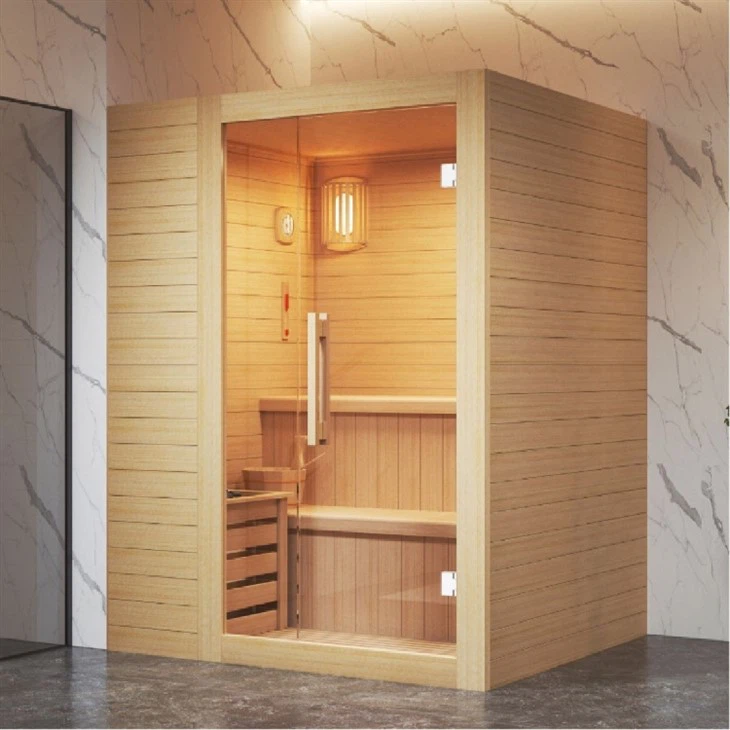
- Small Indoor Sauna: Small indoor saunas are a great choice if you want a more private and personalized sauna experience. They can be easier to control the temperature and may be more comfortable to use for short periods.
Consult Your Doctor
Before using an indoor steam sauna or any type of sauna if you have a hernia, it is crucial to consult your doctor. Your doctor can assess the severity of your hernia, your overall health, and provide personalized advice based on your specific situation. They may recommend against using a sauna altogether, or they may give you the green light with certain precautions.
Our Indoor Steam Saunas
As an Indoor Steam Sauna supplier, we offer a wide range of high - quality steam saunas that are designed to provide a luxurious and relaxing experience. Our saunas are equipped with advanced features such as temperature and humidity control, custom lighting, and comfortable seating.
Whether you are looking for a stand - alone sauna, a dry sauna, or a small indoor sauna, we have the perfect solution for you. Our products are built to last and are backed by excellent customer service.
If you are considering purchasing an indoor steam sauna and have any questions about using it with a hernia or any other medical condition, feel free to contact us. Our team of experts is here to help you make the right decision and ensure that you get the most out of your sauna experience. We welcome you to engage in procurement discussions with us to find the best sauna to meet your needs and preferences.

References
- American College of Surgeons. "What is a Hernia?"
- Mayo Clinic. "Sauna: Health Benefits and Risks"
- WebMD. "Hernia: Symptoms, Causes, Diagnosis, and Treatment"