

Hey there! As a supplier of Infrared Heat Saunas, I often get asked about how quickly these saunas heat up. It's a super important question, especially for those who are thinking about getting one for their home. So, let's dive right in and explore this topic.
Understanding Infrared Heat Saunas
First off, let's quickly go over what infrared heat saunas are. Unlike traditional saunas that heat the air around you, infrared saunas use infrared heaters to emit infrared light, which directly heats your body. This type of heating is more efficient and can provide a more comfortable and relaxing experience.
There are different types of infrared saunas, like the Far Infrared Sauna for Home and the Infrared Steam Sauna. Each type has its own unique features and benefits, but they all share the common characteristic of using infrared technology to generate heat.
Factors Affecting Heating Time
Now, let's talk about the factors that can affect how quickly an infrared heat sauna heats up.
Size of the Sauna
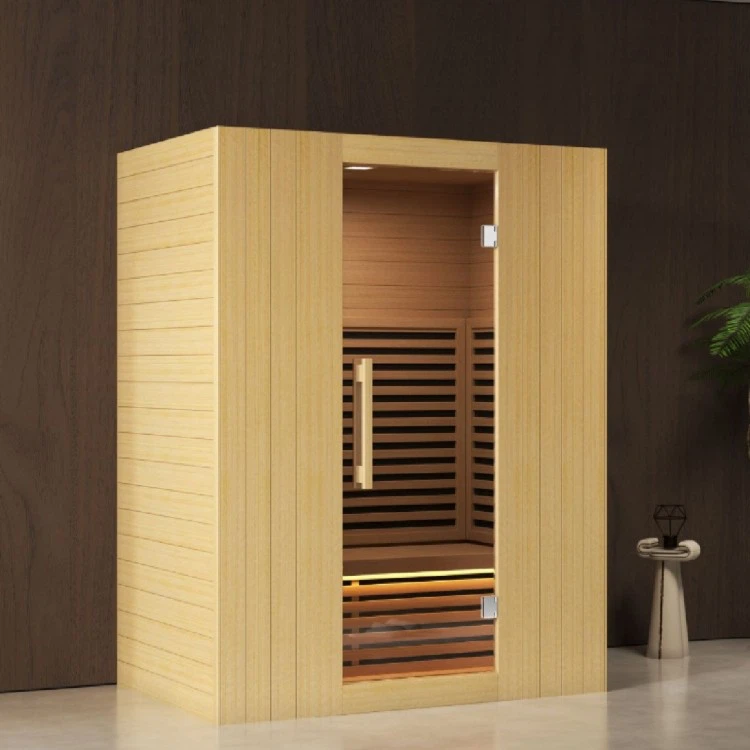
One of the most significant factors is the size of the sauna. A smaller sauna will generally heat up faster than a larger one. This is because there is less space to heat, so the infrared heaters can reach the desired temperature more quickly. For example, a small two - person sauna might heat up in as little as 10 - 15 minutes, while a larger six - person sauna could take 20 - 30 minutes or even longer.

Power of the Heaters
The power of the infrared heaters also plays a crucial role. Saunas with more powerful heaters will heat up faster. Higher - wattage heaters can generate more heat energy, allowing the sauna to reach the set temperature more rapidly. When choosing an infrared heat sauna, it's important to consider the power of the heaters based on the size of the sauna you need.
Insulation
Good insulation is key to a fast - heating sauna. A well - insulated sauna will retain heat better, which means the heaters don't have to work as hard to maintain the temperature. If a sauna is poorly insulated, heat can escape easily, and it will take longer to reach and maintain the desired temperature. Look for saunas with high - quality insulation materials to ensure efficient heating.
Initial Temperature
The starting temperature of the sauna also matters. If the sauna is in a cold room or has been turned off for a long time, it will take longer to heat up compared to when it's already at a relatively warm temperature. For instance, if you're using the sauna in a cold basement during winter, it might take a bit more time to reach the optimal temperature compared to using it in a heated room.
Typical Heating Times
Based on the factors mentioned above, here are some typical heating times for different types of infrared heat saunas:
Small Personal Saunas
Small personal saunas, like those designed for one person, usually heat up quite quickly. With proper insulation and a decent - power heater, they can reach a comfortable temperature of around 120 - 130°F (49 - 54°C) in about 10 - 15 minutes. These saunas are great for individuals who want a quick and convenient way to enjoy the benefits of an infrared sauna.
Medium - Sized Family Saunas
Medium - sized saunas that can accommodate 2 - 4 people typically take 15 - 20 minutes to heat up to the desired temperature. These saunas are a popular choice for families or small groups of friends who want to enjoy a sauna session together.
Large Commercial Saunas
Large commercial saunas, which are designed to hold 6 or more people, may take 20 - 30 minutes or more to heat up. These saunas need to heat a large volume of space, so it takes a bit longer for the heaters to raise the temperature throughout the entire area.
Tips to Speed Up Heating
If you're impatient and want to get your infrared heat sauna up to temperature as quickly as possible, here are some tips:
Pre - heat the Room
If possible, pre - heat the room where the sauna is located. This will reduce the initial temperature difference and make it easier for the sauna to reach the desired temperature. You can use a space heater in the room for a short period before turning on the sauna.
Keep the Door Closed
Make sure to keep the sauna door closed tightly during the heating process. This will prevent heat from escaping and help the sauna heat up faster. Avoid opening the door unnecessarily until the sauna has reached the desired temperature.
Use a Timer
Many modern infrared saunas come with a timer function. You can set the timer to turn on the sauna a short time before you plan to use it. This way, the sauna will be at the right temperature when you're ready to step in.
Benefits of a Fast - Heating Sauna
A fast - heating infrared heat sauna offers several benefits.
Convenience
It's incredibly convenient. You don't have to wait around for a long time to start enjoying the relaxing and therapeutic effects of the sauna. Whether you have a busy schedule or just want to unwind quickly after a long day, a fast - heating sauna allows you to do so without much delay.
Energy Efficiency
Since a fast - heating sauna reaches the desired temperature quickly, it can be more energy - efficient. The heaters don't have to run for an extended period, which can save you money on your energy bills in the long run.
Conclusion
So, in conclusion, the heating time of an infrared heat sauna can vary depending on several factors such as size, heater power, insulation, and initial temperature. However, with the right combination of these factors, you can have a sauna that heats up relatively quickly.
If you're interested in purchasing an Infrared Heat Sauna, we're here to help. We offer a wide range of high - quality infrared saunas that are designed to heat up fast and provide you with a great sauna experience. Whether you need a small personal sauna or a large commercial one, we have the perfect solution for you. Feel free to reach out to us to discuss your needs and start the procurement process.
References
- "Infrared Sauna Technology: A Comprehensive Guide", published by a leading sauna research institute.
- Industry reports on the performance of different infrared heat sauna models.