

Hey there! As a supplier of Indoor Dry Saunas, I often get asked this question: "Can I use essential oils in an indoor dry sauna?" Well, let's dive right into it and find out.
First off, what are essential oils? Essential oils are concentrated plant extracts that capture the plant's scent and flavor, or "essence." They're made by distilling or cold-pressing different parts of a plant (flowers, bark, leaves, or fruit) to capture the compounds that produce fragrance. You've probably seen them used in aromatherapy, skincare, and even cleaning products.
Now, the idea of using essential oils in an indoor dry sauna sounds pretty appealing. Just imagine relaxing in the warm, dry heat of your sauna, surrounded by the soothing aroma of lavender or the invigorating scent of eucalyptus. It could turn your regular sauna session into a luxurious, spa-like experience. But is it actually a good idea?
The Pros of Using Essential Oils in an Indoor Dry Sauna
Aromatherapy Benefits
One of the main reasons people want to use essential oils in their saunas is for the aromatherapy benefits. Different essential oils are believed to have different effects on your mood and well-being. For example, lavender is known for its calming properties, which can help you relax and de-stress after a long day. On the other hand, peppermint has an energizing scent that can help clear your mind and boost your focus.
Respiratory Support
Some essential oils, like eucalyptus and tea tree oil, are known for their respiratory benefits. When you inhale the steam or vapor of these oils in a sauna, they can help open up your airways and make it easier to breathe. This can be especially beneficial if you're dealing with a stuffy nose or a respiratory infection.
Skin Health
Certain essential oils, such as rosehip and jojoba oil, are rich in antioxidants and vitamins that can help nourish and hydrate your skin. When you use these oils in a sauna, the heat can help your skin absorb the nutrients more effectively, leaving your skin looking and feeling healthier.
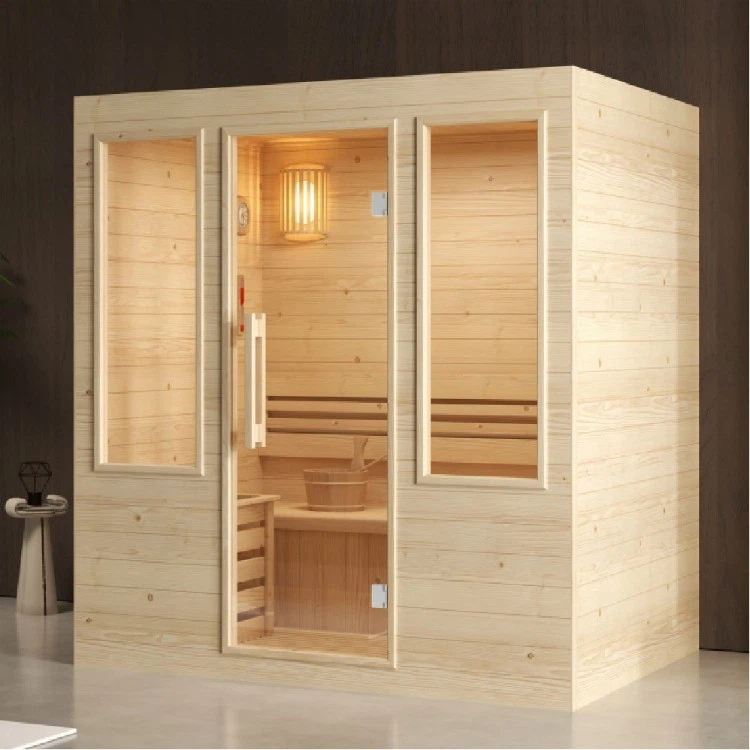

The Cons of Using Essential Oils in an Indoor Dry Sauna
Safety Concerns
One of the biggest concerns when using essential oils in a sauna is safety. Some essential oils can be flammable, especially when exposed to high temperatures. If you're using a traditional sauna with a hot stove or heater, there's a risk of the oil catching fire. Even in an infrared sauna, which uses lower temperatures, some oils may still pose a fire hazard if they come into contact with the heating elements.
Damage to the Sauna
Another issue is that essential oils can potentially damage your sauna. The oils can leave behind a residue on the walls, benches, and other surfaces of the sauna, which can be difficult to clean. Over time, this residue can build up and cause discoloration or even damage to the wood. Additionally, some essential oils may react with the materials used in the sauna, such as the sealants or finishes, which can lead to further damage.
Allergic Reactions
Not everyone can tolerate essential oils. Some people may have allergic reactions or sensitivities to certain oils, which can cause skin irritation, respiratory problems, or other health issues. If you're using essential oils in a sauna, there's a risk that you or other users may experience these reactions, especially if the oils are used in high concentrations.
How to Use Essential Oils in an Indoor Dry Sauna Safely
If you've decided that you want to try using essential oils in your indoor dry sauna, here are some tips to help you do it safely:
Choose the Right Oils
Not all essential oils are suitable for use in a sauna. Look for oils that are non-flammable and have a low risk of causing allergic reactions. Some good options include lavender, eucalyptus, peppermint, and lemon. Avoid using oils that are known to be flammable, such as cinnamon, clove, and thyme.
Use a Diffuser
To avoid the risk of fire and damage to your sauna, it's best to use a diffuser to disperse the essential oils. There are several types of diffusers available, including ultrasonic diffusers, nebulizing diffusers, and heat diffusers. Ultrasonic diffusers are a popular choice because they use water to create a fine mist of essential oil particles, which are then dispersed into the air.
Follow the Instructions
When using a diffuser, make sure to follow the manufacturer's instructions carefully. Use the recommended amount of essential oil and water, and don't leave the diffuser unattended while it's in use. Additionally, make sure to clean the diffuser regularly to prevent the buildup of oil residue.
Start Slowly
If you're new to using essential oils in a sauna, start with a small amount of oil and gradually increase the amount as you get used to the scent. This will help you avoid any potential allergic reactions or sensitivities.
Types of Indoor Dry Saunas
As an Indoor Dry Sauna supplier, I offer a variety of different types of saunas to suit your needs and preferences. Here are some of the most popular types:
Best Indoor Infrared Sauna
Infrared saunas use infrared heaters to emit infrared light, which is absorbed by your body to produce heat. Unlike traditional saunas, which heat the air around you, infrared saunas heat your body directly, which can be more efficient and comfortable. Infrared saunas are also known for their lower temperatures, which can make them more suitable for people who can't tolerate the high heat of traditional saunas.
Custom Indoor Sauna
If you have specific requirements or preferences for your sauna, a custom indoor sauna may be the right choice for you. With a custom sauna, you can choose the size, shape, materials, and features of your sauna to create a unique and personalized experience. Whether you want a small, intimate sauna for two or a large, luxurious sauna for a group of friends, I can help you design and build the perfect sauna for your home.
Indoor Traditional Sauna
Traditional saunas use a wood-burning stove or an electric heater to heat rocks, which then radiate heat into the sauna. This creates a hot, dry environment that can help you relax and detoxify your body. Traditional saunas are known for their high temperatures, which can range from 150°F to 200°F, and their ability to produce a deep, penetrating heat.
Conclusion
So, can you use essential oils in an indoor dry sauna? The answer is yes, but it's important to do it safely. By choosing the right oils, using a diffuser, following the instructions, and starting slowly, you can enjoy the benefits of aromatherapy in your sauna without putting yourself or your sauna at risk.
If you're interested in purchasing an indoor dry sauna, I'd love to help you find the perfect one for your home. Whether you're looking for a Best Indoor Infrared Sauna, a Custom Indoor Sauna, or an Indoor Traditional Sauna, I have a wide range of options to choose from. Contact me today to learn more and start your journey to a healthier, more relaxing lifestyle.
References
- Battaglia, Salvatore. "The Complete Guide to Aromatherapy." Second Edition, Lotus Press, 2013.
- Tisserand, Robert, and Rodney Young. "Essential Oil Safety: A Guide for Health Care Professionals." Second Edition, Churchill Livingstone Elsevier, 2014.