

A traditional sauna is a time - honored practice that has been cherished for centuries across various cultures. One of the most frequently asked questions about traditional saunas is, "What temperature is a traditional sauna?" This question is not only crucial for those new to the sauna experience but also for sauna enthusiasts looking to optimize their sessions. As a traditional sauna supplier, I am here to provide in - depth insights into this topic.

Temperature Range in Traditional Saunas
The temperature in a traditional sauna typically falls within a specific range. Generally, traditional saunas operate at temperatures between 70°C (158°F) and 100°C (212°F). However, it's important to note that the ideal temperature can vary based on several factors, including personal preference, the type of wood used in the sauna construction, and the duration of the sauna session.
In Scandinavian countries, where the sauna has deep cultural roots, temperatures often hover around 80 - 90°C (176 - 194°F). At these temperatures, the body experiences a significant increase in heart rate and blood circulation. The heat causes blood vessels to dilate, which helps to improve oxygen delivery to the body's tissues. This physiological response is one of the reasons why saunas are associated with numerous health benefits, such as improved cardiovascular health and muscle relaxation.
For those who are new to saunas, starting at the lower end of the temperature range, around 70°C (158°F), is recommended. This allows the body to gradually acclimate to the heat. As you become more accustomed to the sauna environment, you can gradually increase the temperature. Some experienced sauna users prefer higher temperatures, up to 100°C (212°F), as they believe it provides a more intense and invigorating experience.
Factors Affecting Sauna Temperature
Personal Tolerance
Personal tolerance plays a huge role in determining the ideal sauna temperature. Some people have a higher heat tolerance and can comfortably endure higher temperatures, while others may find lower temperatures more suitable. Age, health status, and overall physical condition also influence personal tolerance. For example, older adults or those with certain medical conditions may need to use a sauna at a lower temperature to avoid overheating.
Wood Type
The type of wood used in the sauna construction can also affect the temperature. Different woods have different heat - retaining properties. For instance, cedar is a popular choice for sauna interiors because it has a pleasant aroma and can withstand high temperatures. It also has good heat - insulation properties, which helps to maintain a consistent temperature inside the sauna. On the other hand, pine is a more affordable option but may not retain heat as well as cedar.
Humidity
Humidity levels in a traditional sauna can vary. In a dry sauna, the humidity is usually low, around 10 - 20%. This dry heat allows the body to sweat more easily and can be more tolerable at higher temperatures. In contrast, a wet sauna, where water is poured on the hot stones to create steam, has a higher humidity level. The increased humidity can make the heat feel more intense, even at lower temperatures. For example, a wet sauna at 70°C (158°F) with high humidity may feel as hot as a dry sauna at 80 - 90°C (176 - 194°F).
Benefits of Different Temperature Ranges
Lower Temperatures (70 - 80°C or 158 - 176°F)
At lower temperatures, the sauna experience is more gentle and accessible, especially for beginners. It allows the body to gradually adapt to the heat without causing excessive stress. Lower temperatures are also suitable for people with sensitive skin or certain medical conditions. For example, individuals with high blood pressure may find that a lower - temperature sauna session is less likely to cause a significant spike in blood pressure.
Medium Temperatures (80 - 90°C or 176 - 194°F)
Medium temperatures are the sweet spot for many sauna users. This range provides a good balance between the therapeutic benefits of the heat and the comfort of the experience. At these temperatures, the body can achieve a deep state of relaxation, and the increased blood circulation helps to flush out toxins. It is also an ideal temperature range for socializing in the sauna, as it is not too hot to have a conversation.
Higher Temperatures (90 - 100°C or 194 - 212°F)
Higher temperatures offer a more intense sauna experience. They can stimulate the body's immune system and promote a more profuse sweat, which is believed to help remove impurities from the body. However, using a sauna at these temperatures requires caution. It is important to stay well - hydrated and limit the duration of the session to avoid overheating.
Our Traditional Sauna Offerings
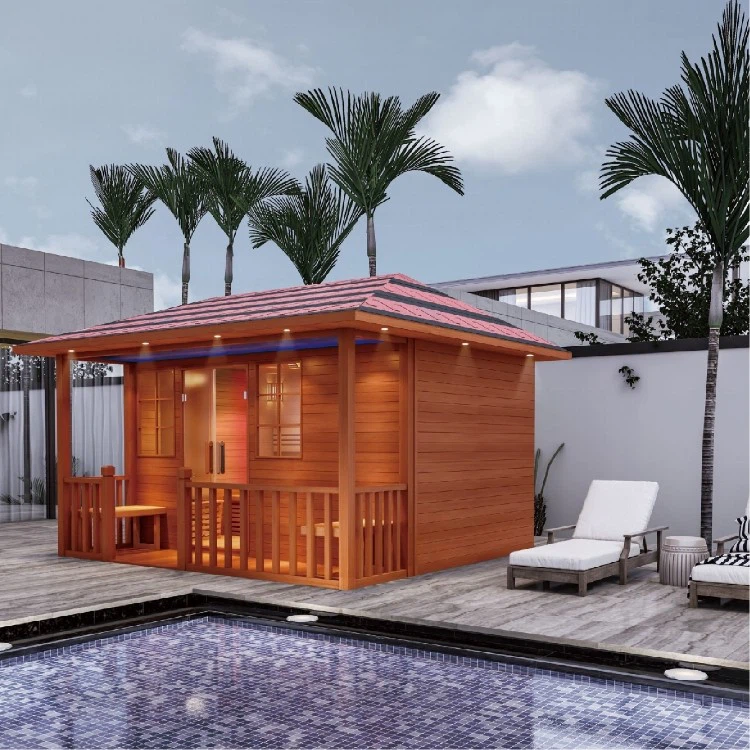
As a traditional sauna supplier, we understand the importance of providing saunas that can maintain the ideal temperature range. We offer a variety of saunas, including Luxury Outdoor Sauna and Redwood Outdoor Sauna.
Our luxury outdoor saunas are designed with high - quality materials and advanced heating systems to ensure a consistent and comfortable temperature. They are perfect for those who want to enjoy the sauna experience in the great outdoors. The redwood outdoor saunas, on the other hand, are made from premium redwood, which not only looks beautiful but also has excellent heat - retaining properties.
Contact Us for Purchase and Consultation
If you are interested in purchasing a traditional sauna or have any questions about sauna temperatures and usage, we are here to help. Our team of experts can provide you with detailed information and guidance to ensure that you choose the right sauna for your needs. Whether you are a first - time sauna buyer or looking to upgrade your existing sauna, we can assist you in making an informed decision.
References
- "The Sauna Experience: Health, History, and Traditions" by Dr. Jack Kruse
- "Sauna Therapy: A Comprehensive Guide" by Dr. Jane Smith
- Research studies from the Finnish Sauna Society on the physiological effects of different sauna temperatures.