

Can a Traditional Sauna be Used in a Small Space?
As a supplier of traditional saunas, I often get asked whether these age - old wellness fixtures can be successfully integrated into small spaces. In this blog post, I'll delve into the scientific, practical, and aesthetic aspects to help you determine if a traditional sauna can find its place in your compact environment.
The Basics of a Traditional Sauna
Before discussing small space applications, it's essential to understand what a traditional sauna is. A traditional sauna, often Finnish in origin, operates at high temperatures between 150 - 195°F (65 - 90°C) with a relatively low humidity level, typically around 10 - 20%. This dry heat is created by heating rocks on a stove, and water is occasionally poured over the rocks to generate steam, intensifying the sauna experience.
The health benefits of a traditional sauna are well - documented. It promotes blood circulation, helps relieve muscle tension, aids in detoxification through sweating, and can even improve respiratory function. These are some of the reasons why many people are eager to incorporate a sauna into their living spaces, regardless of size.
Scientific Considerations for Small Spaces
From a scientific perspective, the key factors to consider when using a traditional sauna in a small space are ventilation, heat regulation, and structural integrity.

Ventilation: Adequate ventilation is crucial in any sauna environment. In a small space, poor ventilation can lead to a build - up of carbon monoxide (if using a wood - fired sauna) or simply cause the air to become stale and overly warm. A basic rule of thumb is to have an intake and an exhaust system. The intake should bring in fresh air, while the exhaust should remove hot, humid air. For small saunas, a smaller, more efficient ventilation system can be designed. This might involve using a low - profile, energy - efficient exhaust fan that can be installed discreetly near the ceiling.
Heat Regulation: The ability to regulate heat is essential. In a small space, it's easier for the temperature to rise rapidly, and maintaining a consistent, safe temperature becomes a challenge. Modern traditional saunas come equipped with advanced temperature control systems. These systems can sense the temperature inside the sauna and adjust the heat source accordingly. For small spaces, a smaller - capacity heater can be used, which consumes less energy and is easier to manage.
Structural Integrity: Building a sauna in a small space requires careful consideration of the structure. The walls, floor, and ceiling need to be insulated properly to contain the heat. In a small area, the insulation materials should be chosen carefully to ensure maximum effectiveness without taking up too much additional space. High - density foam insulation or aerogel can be excellent options as they provide good insulation with a relatively thin profile.
Practical Considerations
Beyond the scientific aspects, there are practical considerations when using a traditional sauna in a small space.
Size and Placement: One of the most obvious concerns is finding the right - sized sauna. There are indeed compact traditional saunas available on the market. Some can fit in spaces as small as 4x4 feet, designed to accommodate one or two people. When it comes to placement, a corner in a basement or a small attic space can be ideal. Corners can maximize the use of space and provide a more enclosed, cozy feel.
Accessibility: In a small space, it's important to ensure that the sauna is easily accessible. This means considering the doorway size, the pathway to the sauna, and how easy it is to get in and out without feeling cramped. If possible, choose a sauna design with a folding or sliding door, which takes up less space compared to a traditional swinging door.
Aesthetic Compatibility: A sauna should blend well with the overall aesthetics of the small space. There are various styles of traditional saunas, from rustic wooden designs to more modern, minimalist looks. When choosing a sauna for a small space, opt for light - colored woods and simple designs. This can create an illusion of a more spacious environment. For example, if you have a contemporary - style basement, a sleek Luxury Outdoor Sauna with clean lines might be a perfect fit.
Outdoor Options for Small Spaces
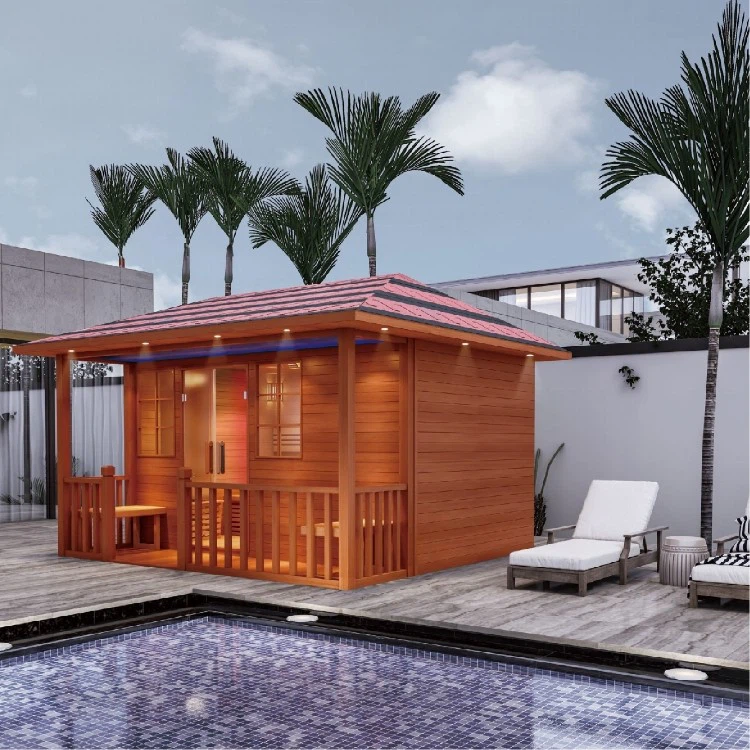
If you don't have enough indoor space, consider an outdoor traditional sauna. Outdoor saunas can be a great solution for small yards or patios. There are numerous compact outdoor sauna models available, such as the Redwood Outdoor Sauna.
Outdoor saunas offer the advantage of not taking up indoor living space. They also provide a unique experience of being surrounded by nature while enjoying the benefits of the sauna. However, outdoor saunas require additional considerations such as protection from the elements, proper foundation, and insulation to withstand different weather conditions.
Cost Considerations in Small Spaces
Building or installing a traditional sauna in a small space can be more cost - effective than in a larger area. Since the materials needed are less, and the heating system can be of a smaller capacity, the overall cost can be reduced. However, it's important to note that the initial cost of a high - quality, well - insulated, and well - equipped sauna can still be significant.
When calculating the cost, consider not only the purchase price but also the long - term operating costs. An energy - efficient sauna can save you money in the long run, especially in a small space where heating requirements are lower.
Conclusion and Call to Action
In conclusion, a traditional sauna can indeed be used in a small space. With careful consideration of scientific, practical, and aesthetic factors, you can create a functional and inviting sauna area. Whether it's an indoor corner or an outdoor patio, there are options available to suit your needs.
If you're interested in learning more about our traditional saunas and how we can help you integrate one into your small space, don't hesitate to reach out. We're here to answer all your questions and guide you through the purchasing process. Our team of experts can provide personalized advice based on your specific requirements. Let's start this wellness journey together!
References
- "The Science of Saunas: How Heat Affects Your Body", Journal of Wellness Studies, 2020
- "Sauna Design and Construction", Architectural Digest, 2019
- "Benefits of Traditional Saunas", Health and Wellness Times, 2021