

Can I use a hybrid sauna with a heart condition?
As a supplier of hybrid saunas, I often receive inquiries from customers with heart conditions wondering if it's safe for them to use our products. It's a crucial question, and today, I'll delve into this topic to provide you with the most accurate and up - to - date information.
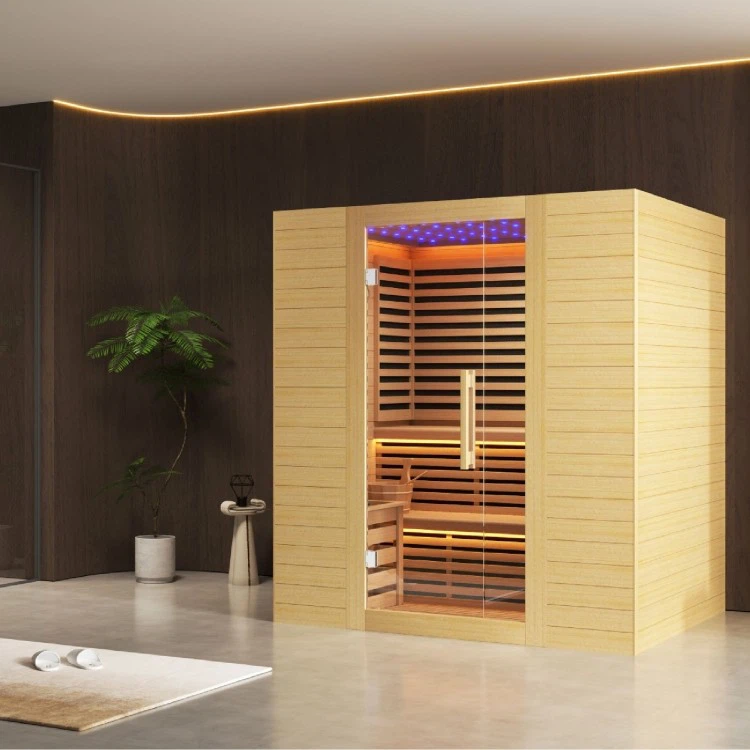
First, let's understand what a hybrid sauna is. A hybrid sauna combines different heating technologies to offer a unique and versatile wellness experience. There are Hybrid Steam Saunas, which blend the traditional steam - based heat with other forms of heat source, and Hybrid Infrared Saunas, which combine infrared heat with other heating methods. These saunas provide various levels of heat and humidity, allowing users to customize their sauna sessions according to their preferences.
The effects of sauna use on the heart can be complex. When you enter a sauna, your body's blood vessels dilate to dissipate the heat. This means that the heart has to pump blood more efficiently to deliver oxygen and nutrients throughout the body. The increased blood circulation can have both short - term and long - term effects.
In the short term, the heart rate typically increases when one is in a sauna. This is the body's natural response to the elevated temperature. The heart is working harder to maintain the body's core temperature and circulate blood. For individuals with a healthy heart, this increased demand is usually well - tolerated. However, for those with heart conditions, it can pose challenges.
Some heart conditions, like coronary artery disease, heart failure, arrhythmias, and hypertension, need special consideration. People with coronary artery disease have narrowed arteries that limit blood flow to the heart. The increased stress on the heart during a sauna session could potentially lead to an imbalance between the heart's oxygen demand and supply, increasing the risk of angina (chest pain) or even a heart attack.
Heart failure patients already have a weakened heart that struggles to pump blood effectively. The additional stress from the sauna's heat could exacerbate their symptoms, such as shortness of breath and fluid retention.
Arrhythmias, or irregular heartbeats, can also be affected by sauna use. The changes in heart rate and blood pressure in the sauna might trigger abnormal heart rhythms in some individuals.
Hypertension, or high blood pressure, can be a tricky situation. In some cases, the initial dilation of blood vessels might cause a temporary drop in blood pressure. But in others, the stress on the heart can lead to a rise in blood pressure.
However, it's not all doom and gloom. Some studies have suggested that moderate sauna use can have beneficial effects on heart health. Regular sauna bathing has been associated with a reduced risk of cardiovascular diseases in the long run. It may help improve blood vessel function, reduce inflammation, and enhance the overall cardiovascular system. But these benefits are more applicable to individuals with a relatively healthy heart.
So, can someone with a heart condition use a hybrid sauna? The answer is: it depends.
If you have a heart condition, the first step is to consult your doctor. Your doctor knows your medical history, the severity of your condition, and can provide personalized advice. They may give you the green light with certain restrictions, or they may advise against it altogether.
If your doctor approves, here are some safety tips to follow when using a hybrid sauna:

- Start slow: Begin with short sessions, perhaps no more than 5 - 10 minutes, and gradually increase the time as your body gets used to the heat.
- Monitor your body: Pay close attention to how you feel during the sauna session. If you experience any chest pain, dizziness, shortness of breath, or irregular heartbeats, exit the sauna immediately.
- Hydrate well: Drink plenty of water before, during, and after the sauna session. The heat can cause significant fluid loss through sweating, and dehydration can put additional stress on the heart.
- Choose the right setting: Hybrid saunas offer different heat and humidity levels. Opt for a lower - intensity setting initially. For example, if you're using a Hybrid Infrared Sauna, you can start with a lower infrared heat level.
At our company, we take the safety of our customers very seriously. Our Best Hybrid Saunas are designed with multiple safety features. They have adjustable temperature and humidity controls, so you can customize the environment to suit your needs. We also provide detailed user manuals that include safety guidelines for all users, especially those with pre - existing medical conditions.
We understand that making a decision about using a hybrid sauna with a heart condition is not easy. That's why we're here to support you every step of the way. Whether you have questions about the product, need more information on safety, or want to discuss your specific situation, our team of experts is ready to assist.
If you're considering purchasing a hybrid sauna and have a heart condition, don't hesitate to reach out to us. We can provide you with all the information you need to make an informed decision. Our goal is to help you enjoy the benefits of sauna use in a safe and healthy way.
In conclusion, while using a hybrid sauna with a heart condition can be a complex issue, with proper medical advice and safety precautions, it may be possible for some individuals. We encourage you to have an open conversation with your doctor and then contact us to explore the best hybrid sauna options for you.
References
- Airaksinen, K. E., Laukkanen, J. A., & Jousilahti, P. (2015). Sauna bathing and the risk of sudden cardiac death, fatal coronary heart disease, and fatal stroke: a 20 - year follow - up study of middle - aged Finnish men. Circulation, 132(11), 985 - 992.
- Laukkanen, J. A., Laukkanen, M. O., & Jousilahti, P. (2018). Association of frequency of sauna bathing with risk of dementia and Alzheimer disease. JAMA Neurology, 75(1), 22 - 29.
- Shvartz, E., Epstein, Y., & Moran, D. S. (2006). Physiological responses to heat stress in the elderly. European Journal of Applied Physiology, 97(3), 263 - 273.