

Hey there! As a supplier of small indoor saunas, I've seen my fair share of common problems that users run into. In this blog, I'll share some tips on how to troubleshoot these issues so you can keep your sauna in top-notch condition.
1. Temperature Issues
One of the most common problems with small indoor saunas is temperature regulation. If your sauna isn't reaching the desired temperature or is overheating, here's what you can do.
Sauna Not Heating Up
- Check the Power Supply: First things first, make sure your sauna is properly plugged in and that the circuit breaker hasn't tripped. Sometimes, a simple power issue can be the culprit.
- Inspect the Heater: The heater is the heart of your sauna. If it's not working correctly, the sauna won't heat up. Look for any visible signs of damage, like frayed wires or a broken heating element. If you're not comfortable doing this yourself, it's best to call a professional.
- Check the Thermostat: A faulty thermostat can also cause temperature problems. Make sure it's set to the right temperature and that it's functioning properly. You can test it by using a separate thermometer to see if the reading matches what the thermostat is showing.
Sauna Overheating
- Adjust the Thermostat: If your sauna is getting too hot, try lowering the temperature setting on the thermostat. This should bring the temperature back to a comfortable level.
- Check for Blockages: Blockages in the ventilation system can cause the sauna to overheat. Make sure the vents are clear of any debris or obstructions. You can use a vacuum cleaner to remove any dust or dirt that may be blocking the vents.
- Inspect the Heater: Just like with the underheating issue, a malfunctioning heater can also cause overheating. Check the heater for any signs of damage and make sure it's not running continuously.
2. Humidity Problems
Another common issue is maintaining the right humidity level in your sauna. Too much or too little humidity can affect your sauna experience.
Low Humidity
- Add Water: If your sauna is too dry, adding water to the heater can increase the humidity. You can use a ladle to pour water over the hot stones or use a special sauna humidifier.
- Check the Ventilation: Proper ventilation is important for maintaining the right humidity level. Make sure the vents are open and that the air is circulating properly. If the ventilation is too strong, it can dry out the air in the sauna.
- Seal the Sauna: A poorly sealed sauna can let out moisture, causing low humidity. Check the doors and windows for any gaps or cracks and seal them with weatherstripping or caulk.
High Humidity
- Reduce Water Usage: If your sauna is too humid, try using less water. You can also turn off the humidifier if you're using one.
- Increase Ventilation: Opening the vents or using a fan can help reduce the humidity level in the sauna. Make sure the air is circulating properly to prevent moisture from building up.
- Check for Leaks: A leaky sauna can also cause high humidity. Check the walls, floor, and ceiling for any signs of water damage or leaks. If you find a leak, repair it as soon as possible.
3. Electrical Problems
Electrical issues can be dangerous, so it's important to handle them with care. If you're not comfortable working with electricity, it's best to call a professional.
Flickering Lights
- Check the Bulbs: Flickering lights can be caused by loose bulbs or a faulty light fixture. Make sure the bulbs are securely screwed in and that the light fixture is properly installed.
- Inspect the Wiring: If the bulbs and light fixture are fine, the problem may be with the wiring. Look for any frayed or damaged wires and have them repaired by a professional.
- Check the Circuit Breaker: A tripped circuit breaker can also cause flickering lights. Check the circuit breaker panel and reset any tripped breakers.
No Power
- Check the Power Supply: As with the temperature issues, make sure your sauna is properly plugged in and that the circuit breaker hasn't tripped.
- Inspect the Wiring: Look for any visible signs of damage to the wiring, such as frayed wires or loose connections. If you find any issues, have them repaired by a professional.
- Test the Components: If the power supply and wiring are fine, the problem may be with one of the components, such as the heater or the control panel. You can test these components using a multimeter to see if they're functioning properly.
4. Wood Issues
The wood used in your sauna is an important part of the overall experience. If you notice any problems with the wood, here's what you can do.
Warping or Cracking
- Check the Humidity: Warping and cracking can be caused by changes in humidity. Make sure the humidity level in your sauna is within the recommended range. You can use a hygrometer to measure the humidity.
- Seal the Wood: Applying a sealant to the wood can help protect it from moisture and prevent warping and cracking. Make sure to choose a sealant that is specifically designed for sauna wood.
- Replace Damaged Wood: If the wood is severely damaged, it may need to be replaced. You can find replacement wood at your local hardware store or order it online. For high-quality Indoor Sauna Wood, check out our website.
Mold or Mildew
- Clean the Wood: Mold and mildew can grow on the wood if the sauna is not properly maintained. Use a mild detergent and water to clean the wood and remove any mold or mildew. Make sure to dry the wood thoroughly after cleaning.
- Increase Ventilation: Proper ventilation can help prevent mold and mildew from growing. Make sure the vents are open and that the air is circulating properly.
- Use a Dehumidifier: If the humidity level in your sauna is consistently high, using a dehumidifier can help reduce the moisture and prevent mold and mildew from growing.
5. Door and Window Problems
The doors and windows of your sauna are important for maintaining the temperature and humidity inside. If you notice any problems with the doors or windows, here's what you can do.
Difficult to Open or Close
- Lubricate the Hinges: If the doors or windows are difficult to open or close, lubricating the hinges can help. You can use a silicone-based lubricant to lubricate the hinges.
- Adjust the Alignment: If the doors or windows are not aligned properly, they may be difficult to open or close. You can adjust the alignment by tightening or loosening the screws on the hinges.
- Check for Obstructions: Make sure there are no obstructions in the way of the doors or windows. Remove any debris or objects that may be blocking the doors or windows.
Leaks
- Seal the Gaps: If there are gaps around the doors or windows, they can let in air and moisture, causing temperature and humidity problems. You can seal the gaps using weatherstripping or caulk.
- Check the Seals: The seals on the doors and windows can wear out over time. Make sure the seals are in good condition and replace them if necessary.
- Inspect the Frames: The frames of the doors and windows can also be damaged, causing leaks. Check the frames for any signs of damage and repair or replace them as needed.
Conclusion
Troubleshooting common problems in a small indoor sauna doesn't have to be difficult. By following these tips, you can keep your sauna in top-notch condition and enjoy a relaxing sauna experience. If you have any questions or need further assistance, don't hesitate to contact us. We're here to help you get the most out of your small indoor sauna.
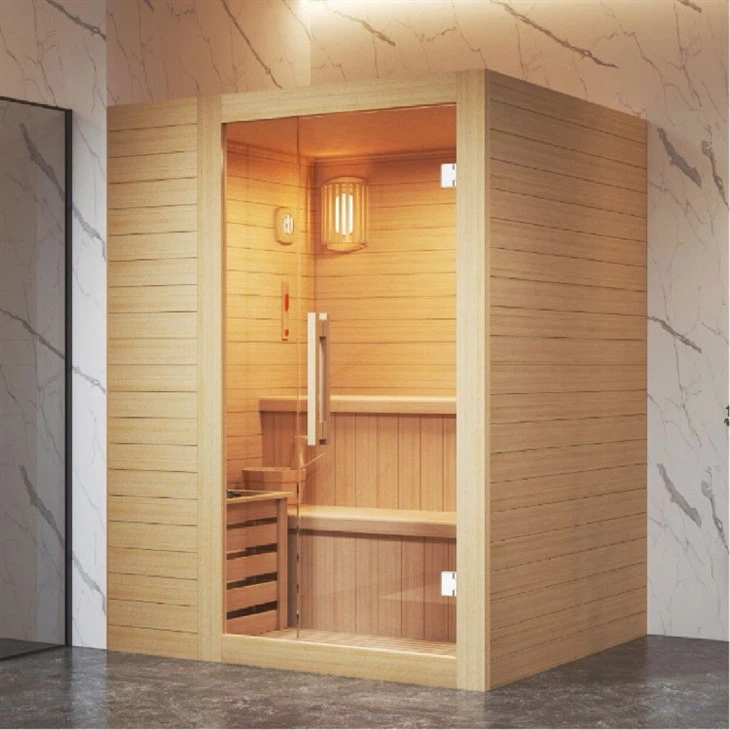

If you're interested in purchasing a Stand Alone Sauna Indoor or an Indoor Dry Sauna, we offer a wide range of high-quality saunas to choose from. Contact us today to discuss your needs and start enjoying the benefits of a sauna in the comfort of your own home.
References
- "Sauna Maintenance Guide." Sauna World.
- "Troubleshooting Common Sauna Problems." Sauna Health.