

Hey there! As a traditional sauna supplier, I often get asked about the energy consumption levels of these amazing relaxation spots. Let's dive right in and break it down.
First off, it's important to understand that the energy consumption of a traditional sauna can vary quite a bit. There are several factors that play a role in how much energy a sauna uses.
Size Matters
One of the biggest factors is the size of the sauna. Just like heating a big room takes more energy than a small one, a larger sauna will consume more power. A small, personal - sized sauna that can fit maybe one or two people is going to use less energy compared to a large commercial sauna that can accommodate a dozen or more. For instance, a compact home sauna with dimensions of around 4 feet by 4 feet might use around 3 - 4 kilowatts per hour to reach and maintain the desired temperature. On the other hand, a large commercial sauna that's 10 feet by 15 feet or bigger could easily consume 8 - 10 kilowatts per hour or even more.
Insulation Is Key
The insulation of the sauna also has a huge impact on energy consumption. A well - insulated sauna will retain heat better, which means it doesn't have to work as hard to keep the temperature up. Think of it like wearing a warm coat on a cold day. If your sauna is poorly insulated, heat will escape quickly, and the heater will have to run more often to maintain the right temperature. High - quality insulation materials, like thick wood panels and proper sealing around the doors and windows, can significantly reduce energy usage. Some modern saunas are designed with advanced insulation techniques that can cut energy consumption by up to 30%.
Heater Type
The type of heater used in the sauna is another crucial factor. There are electric heaters and wood - burning stoves. Electric heaters are more common in modern saunas because they're easy to control and maintain. They come in different wattages, and the higher the wattage, the more energy they use. However, they heat up the sauna quickly and can maintain a consistent temperature.
Wood - burning stoves, on the other hand, use a different form of energy - wood. While they don't rely on electricity, they still have their own energy - related considerations. The amount of wood you need depends on the size of the sauna and how long you want to keep it hot. A small sauna might need a couple of logs per session, while a larger one could require half a dozen or more. Also, the quality of the wood matters. Dry, well - seasoned wood burns more efficiently and produces more heat.
Usage Patterns
How often you use the sauna and for how long also affects energy consumption. If you use your sauna for short periods, say 20 - 30 minutes a few times a week, the energy usage will be lower compared to someone who uses it for an hour or more every day. Additionally, pre - heating the sauna before each use can waste energy. It's better to turn on the heater a little earlier and let it gradually reach the desired temperature rather than cranking it up full - blast all at once.
Comparing Different Models
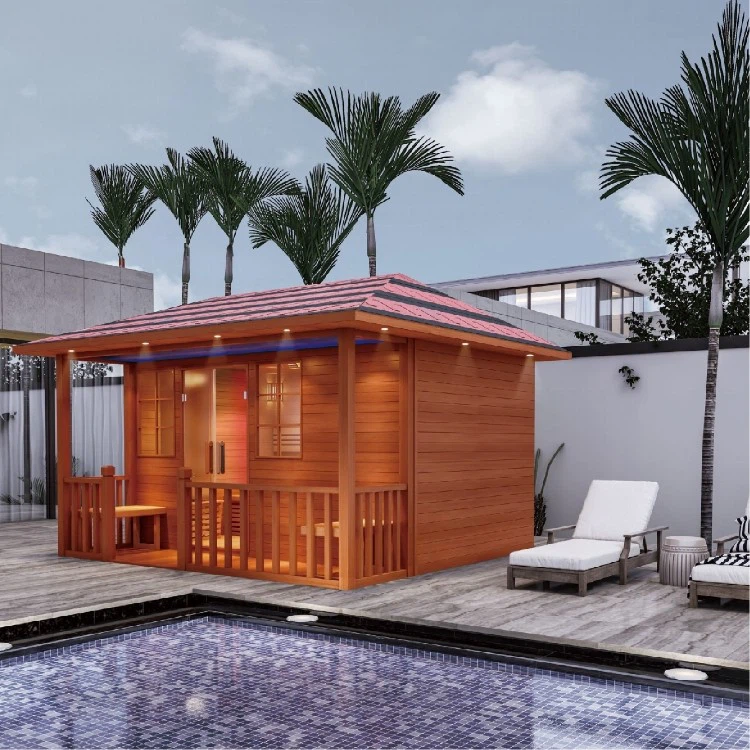
Let's take a look at some of the saunas we offer. Our Redwood Outdoor Sauna is made from high - quality redwood, which is not only beautiful but also has good insulating properties. This means it uses less energy to maintain a comfortable temperature. The electric heater in this sauna is designed to be energy - efficient, and with proper usage, you can expect a relatively low energy consumption rate.
Our Luxury Outdoor Sauna is a bit larger and more luxurious, but don't let that fool you. It's also engineered with energy - saving features. The advanced insulation and a smart heater control system help to keep the energy usage in check. Even though it's bigger, it doesn't guzzle energy like you might think.
Tips to Reduce Energy Consumption
If you're looking to cut down on your sauna's energy consumption, here are some tips:

- Seal any leaks: Check for gaps around the doors and windows and seal them with weatherstripping. This will prevent heat from escaping.
- Use a timer: Set a timer to turn off the heater after your sauna session is over. This way, you won't waste energy if you forget to turn it off.
- Keep the sauna clean: A clean sauna operates more efficiently. Remove any debris or dust from the heater and the interior regularly.
Conclusion
In conclusion, the energy consumption of a traditional sauna depends on multiple factors such as size, insulation, heater type, and usage patterns. By choosing a well - designed sauna like the ones we offer and following some energy - saving tips, you can enjoy the benefits of a sauna without breaking the bank on energy bills.
If you're interested in purchasing a traditional sauna or have any questions about energy consumption, feel free to reach out. We're here to help you make the right choice for your needs.
References
- "Sauna Handbook: A Guide to Sauna Use and Benefits." Published by a leading sauna industry association.
- Research studies on energy efficiency in heating systems, available in academic databases.