

Indoor steam saunas have become a popular addition to many homes and commercial establishments, offering relaxation and potential health benefits. As a leading Indoor Steam Sauna supplier, we're not only dedicated to providing high-quality products but also to ensuring our customers are well-informed about all aspects of steam saunas, including their environmental impacts.
Energy Consumption
One of the most significant environmental aspects of an indoor steam sauna is its energy consumption. Steam saunas work by heating water to produce steam, and this heating process requires a considerable amount of energy. The energy source can vary, such as electricity, natural gas, or propane.
Electric steam saunas are widespread. They use electric heaters to boil water and generate steam. The power consumption of these heaters can be relatively high, especially if the sauna is large or if it is used frequently at high temperatures. For example, a typical small - sized indoor steam sauna may require around 3 - 6 kilowatts of power to operate. If used for an hour a day, this can add up to a substantial amount of electricity consumption over time.
On the other hand, natural gas or propane - powered steam saunas generally have a different energy profile. Gas - powered systems can often be more energy - efficient in terms of fuel cost and energy conversion. Natural gas has a relatively high energy density, which means more heat can be produced per unit of fuel. However, the combustion of natural gas and propane releases greenhouse gases (GHGs) such as carbon dioxide (CO2) and methane (CH4). Although methane emissions can be minimized with proper equipment maintenance, any form of fossil - fuel combustion contributes to the overall carbon footprint.
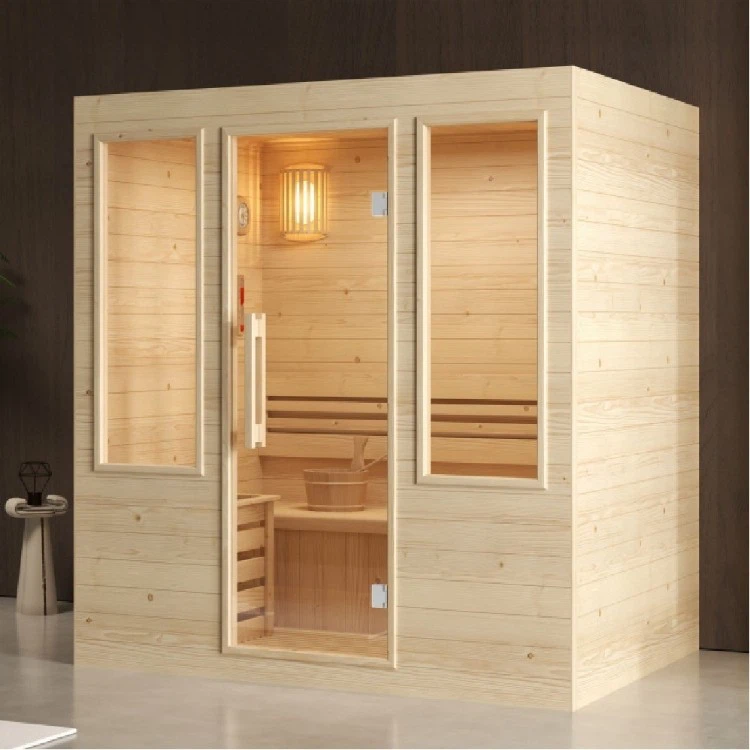

As a supplier, we offer a range of energy - efficient steam sauna models. Our Custom Indoor Sauna options can be configured with energy - saving features. For instance, we use advanced insulation materials to reduce heat loss, which in turn decreases the amount of energy needed to maintain the desired temperature.
Water Usage
Water is another crucial element in an indoor steam sauna. To produce steam, water must be continuously heated and turned into vapor. The amount of water consumed depends on the size of the sauna, the frequency of use, and the efficiency of the steam generator.
A standard indoor steam sauna can use anywhere from 5 to 15 liters of water per hour of operation. This continuous water consumption can put a strain on local water supplies, especially in regions facing water scarcity. In addition, once the steam cools down, it condenses and forms wastewater. This wastewater can sometimes carry contaminants such as minerals from the water source and chemicals from the sauna's interior materials.
To mitigate these issues, we recommend our customers to consider water - saving measures. Our saunas are designed with efficient steam generators that can produce steam with less water consumption. Additionally, we offer Indoor Sauna Wood options that are treated to be more resistant to moisture absorption, which can reduce the amount of water that needs to be replenished due to wood saturation.
Material Sourcing and Waste Generation
The materials used in constructing indoor steam saunas also have environmental implications. Most saunas are made primarily of wood, along with some metal and plastic components.
When it comes to wood, the source is of great importance. Sustainable forestry practices ensure that the trees are harvested in a way that maintains the health and biodiversity of the forest ecosystem. Irresponsible logging can lead to deforestation, soil erosion, and loss of habitat for wildlife. As a responsible supplier, we source our Indoor Sauna Wood from certified sustainable forests. These forests are managed to ensure the long - term health and productivity of the forest, while also minimizing the impact on the environment.
In addition to wood, the production and disposal of other materials like metal and plastic parts in the sauna also matter. Metal production often involves energy - intensive processes and can generate significant amounts of waste. Plastic components, if not properly recycled, can end up in landfills, where they may take hundreds of years to decompose. We strive to work with suppliers who adhere to environmentally friendly manufacturing processes for these non - wood materials. We also encourage our customers to recycle or properly dispose of their old sauna equipment to minimize waste generation.
Indoor Air Quality
The operation of an indoor steam sauna can have both positive and negative effects on indoor air quality. On one hand, steam can help to moisten the air, which is beneficial for people with respiratory problems and can also reduce dust particles in the air.
However, on the other hand, if the sauna is not properly ventilated, the steam can trap pollutants and humidity inside. This can lead to the growth of mold and mildew, which can release allergens and harmful spores into the air. Mold growth not only affects the air quality but can also damage the sauna's interior, especially the wood.
Our Best Indoor Infrared Sauna models are designed with proper ventilation systems. These systems help to remove stale air, excess humidity, and any potential pollutants generated during the sauna session. This ensures that the air inside the sauna remains fresh and healthy, protecting both the environment within the sauna and the health of its users.
Mitigating the Environmental Impacts
As an Indoor Steam Sauna supplier, we are committed to helping our customers reduce the environmental impacts of their saunas. Here are some suggestions and solutions we offer:
- Energy - Saving Technology: We invest in research and development to incorporate the latest energy - saving technologies into our saunas. For example, intelligent control systems can automatically adjust the temperature and steam output based on the user's needs, reducing unnecessary energy consumption.
- Water Recycling: We are exploring the possibility of developing saunas with water recycling systems. These systems can collect and filter the condensed steam, making it possible to reuse the water for future sauna sessions.
- Eco - Friendly Materials: We continue to source materials from sustainable and environmentally friendly suppliers. This includes not only wood but also other components such as paints and adhesives, which are chosen to have a minimal environmental impact.
Contact Us for Sustainable and High - Quality Indoor Steam Saunas
If you are interested in purchasing an indoor steam sauna that is both environmentally friendly and of high quality, we encourage you to contact us. Our team of experts is ready to assist you in selecting the right sauna for your needs, whether it's a Custom Indoor Sauna for your home or a commercial - grade sauna. We can provide detailed information about the environmental features of our products and how you can further reduce the environmental impact of your sauna use.
We believe that by working together, we can enjoy the benefits of indoor steam saunas while still being responsible stewards of the environment. Let's make a conscious choice towards a more sustainable future.
References
- International Energy Agency. (2022). Energy Efficiency in Residential Buildings.
- United Nations Environment Programme. (2021). Sustainable Forest Management Guidelines.
- World Health Organization. (2020). Indoor Air Quality: Guidelines and Recommendations.